Craft fairs aren’t just seasonal hobby shows — they’re a mega $1.2 B+ revenue stream! The average craft seller, according to Etsy data, makes $64,500 a year selling just at shows alone!
That’s why I’ve put together this list of 17 crafts that reliably sell fastest at craft fairs, with real numbers, pricing benchmarks, and why buyers reach for them first.
The 17 Best-Selling Craft Fair Products (With Data)
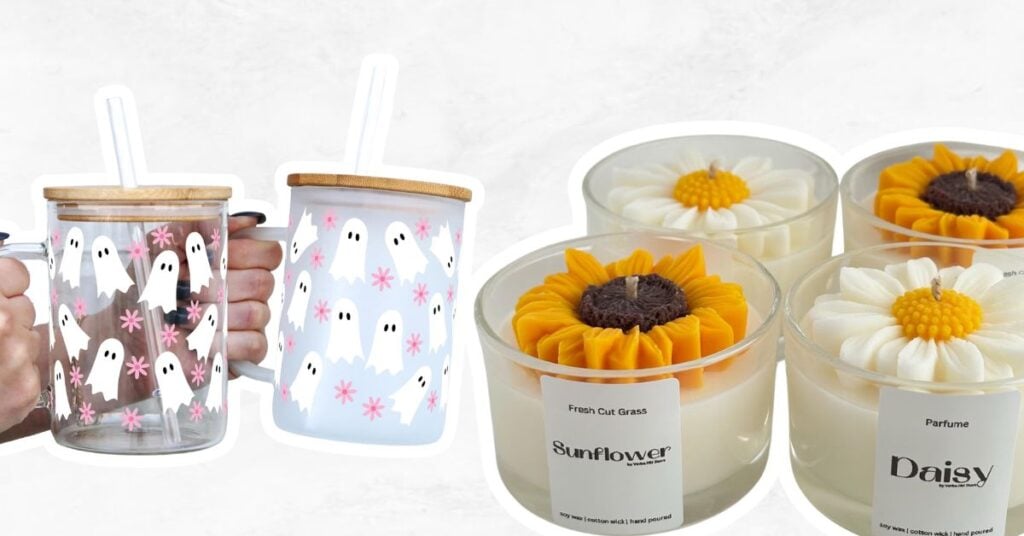
1. Hand-Poured Soy Candles
Typical price: $15–$22
Typical outcome: 85–90% of stock sold per event
Candles are consistently the first tables to look empty at craft fairs — and there’s a reason.
They trigger buying before logic kicks in. People don’t compare candles — they smell one, emotionally respond, and buy.
Data from handmade marketplaces and vendor surveys shows candles:
- Convert 3× better than purely visual products
- Are often purchased in multiples (one for self, one as a gift)
- Have repeat-purchase behaviour because they’re consumable
What sells fastest:
Seasonal scents, wood wicks, minimalist packaging, and “clean burn” positioning.
Related: 23 Candle Crafts that Sell Like Crazy Online ($10k+ Ideas)
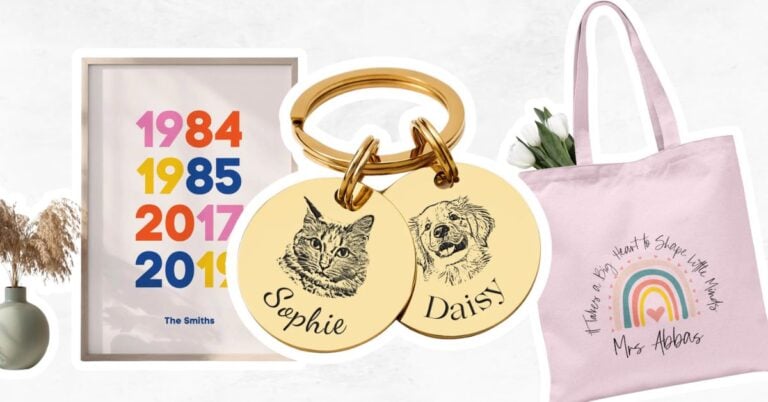
2. Personalized Leather Keychains
Typical price: $35–$50
Typical outcome: ~80–85% of stock sold
This is one of the strongest examples of function + personalization beating “pretty but useless” items.
Keychains sell quickly because:
- Everyone can justify owning one
- They feel personal without being expensive
- Customisation dramatically increases perceived value
Vendors offering on-the-spot personalisation report higher conversion and longer booth dwell time.
What sells fastest:
Initials, coordinates, anniversary dates, pet names.
3. Resin Coasters (Sold in Sets)
Typical price: $20–$28 per set
Typical outcome: ~80% of stock sold
Resin coasters perform exceptionally well because they sit at the intersection of:
- Art
- Home décor
- Practical use
They’re visually arresting from across the room, which pulls people in — and once they’re holding them, sets sell naturally.
Key data insight:
Vendors selling coasters only in sets sell significantly more per transaction than those offering singles.
What sells fastest:
Pressed flowers, neutral colour palettes, subtle metallics.
Related: 19 Simple Resin Crafts that Sell Like Crazy Online!
4. Enamel Pins
Typical price: $7–$10
Typical outcome: ~75% of stock sold
Enamel pins are classic impulse purchases.
They succeed because:
- The price is psychologically “harmless”
- Buyers often add one more
- They appeal across ages and identities
Pins frequently act as add-on items, boosting total spend even if they aren’t the main purchase.
What sells fastest:
Humour, identity-based designs, niche references (pets, hobbies, locations).
5. Knit or Fabric Dog Bandanas
Typical price: $12–$18
Typical outcome: ~75–80% of stock sold
Pet owners are some of the least price-sensitive buyers at craft fairs.
Dog bandanas move fast because:
- They feel like a small “treat”
- Sizing is forgiving
- They’re giftable even if you don’t own a dog yourself
Vendors in pet categories consistently report higher emotional buying and faster decision-making.
What sells fastest:
Seasonal prints, neutral tones, “one size fits most”.
6. Herb-Infused Bath Salts
Typical price: $8–$14
Typical outcome: ~70–75% of stock sold
Bath salts benefit from the same advantage as candles: sensory selling.
They also:
- Feel indulgent but affordable
- Fit perfectly into gift baskets
- Encourage repeat buying
Because they’re consumable, customers don’t hesitate — they know they’ll be used.
What sells fastest:
Lavender, eucalyptus, citrus blends with clear wellness positioning.
7. Mini Terrarium Necklaces
Typical price: $25–$35
Typical outcome: ~70% of stock sold
These work because they’re unexpected.
They stop people mid-walk, spark curiosity, and invite conversation — which dramatically increases conversion.
They also bridge two strong buyer interests:
- Nature / eco aesthetics
- Wearable art
What sells fastest:
Real botanical elements, minimal metal settings, earthy tones.
8. Embroidered Patches
Typical price: $5–$9
Typical outcome: ~70% of stock sold
Patches thrive on:
- Collectability
- Self-expression
- Low commitment pricing
People often buy several at once, especially when designs feel cohesive or themed.
What sells fastest:
Retro motifs, animals, symbols tied to identity or humour.
Related: 17 Easy Embroidery Projects to Make and Sell For Extra Money!
9. Beeswax Food Wraps
Typical price: $10–$16
Typical outcome: ~65–70% of stock sold
Eco-friendly products aren’t just a trend — they’re now a decision-maker.
Food wraps sell well because:
- They solve a real problem
- The sustainability story is easy to explain
- They’re giftable without feeling wasteful
What sells fastest:
Starter sets and neutral designs that suit any kitchen.
10. Clay Plant Markers
Typical price: $3–$6
Typical outcome: ~65% of stock sold
These are small, inexpensive, and practical — which makes them excellent add-on purchases.
Buyers often pick them up:
- After buying a larger plant item
- As stocking fillers or teacher gifts
What sells fastest:
Minimalist text, herb names, muted colours.
11. Handmade Jewelry (Overall Category)
Typical price: $45–$75
Market reality: ~30% of all craft fair revenue
Jewelry remains the highest-earning category at craft fairs globally.
Why?
- High perceived value
- Strong gifting demand
- Wide price flexibility
However, the jewelry that sells fastest is not overly complex or expensive.
What sells fastest:
Simple designs, cohesive collections, clear style identity.
Related: 30 Simple Handmade Jewelery Ideas that Sell Like Mad Online!
12. Home Decor & Textiles
Typical price: $30–$60
Typical outcome: Strong early-day sales
Textiles like wall hangings, table runners, and decorative banners sell best when:
- They fit modern interiors
- They photograph well (buyers imagine them at home)
What sells fastest:
Neutral palettes, subtle texture, understated messaging.
13. Small Pottery & Ceramics
Typical price: $45–$65
Average transaction value: ~$60+
Ceramics sell fewer units than candles — but at higher values.
They often sell early because buyers:
- Want first pick
- Fear missing unique pieces
What sells fastest:
Mugs, trinket dishes, small planters — functional and giftable.
14. Art Prints
Typical price: $25–$45
Typical outcome: Consistent sales across the day
Prints allow artists to sell at scale without sacrificing margin.
They sell best when:
- Displayed clearly
- Shown styled in frames
- Offered in a few sizes only (too much choice hurts sales)
What sells fastest:
Local scenes, soft colour palettes, emotional themes.
15. Personalized Gifts (As a Category)
Typical price: $30–$70
Market growth: +20% year-on-year
Anything personalised converts better because buyers stop comparing and start imagining the recipient.
What sells fastest:
Names, dates, family-centric messaging, pet-related items.
16. DIY Craft Kits
Typical price: $20–$40
Typical outcome: Strong family and gift sales
Kits sell because they offer an experience, not just an object.
Parents, grandparents, and gift-buyers love that they:
- Feel thoughtful
- Justify the price
- Create time together
What sells fastest:
Beginner-friendly kits with clear instructions.
17. Macramé & Eco Wall Hangings
Typical price: $35–$80
Typical outcome: Fewer sales, higher value
These don’t sell in bulk — but when they sell, they sell well.
They’re driven by:
- Instagram-led aesthetics
- Interior trends
- Sustainability positioning
What sells fastest:
Smaller pieces that fit apartments and rentals.
The Data Landscape: What Buyers Want
Before we list specific products, here are key craft fair trends shaping what actually sells in 2025:
1. Craft & Handmade Demand Is Strong
• 42% of consumers prefer handmade over mass-produced goods at live events.
• Millennials and Gen X (25–45) dominate purchasing behavior at shows.
2. Price Matters
• Items under ~$50 account for ~78% of all craft fair transactions, driven by impulse buying.
• The average transaction value in top categories ranges from $24.80 to $62.75.
3. Repeat & Stickiness
• Categories like home fragrances have 73% repeat purchase rates because consumables are replenished.
• Personalized/custom products see 82% growth in buyer interest.